Understanding the Options
Choosing the right kind of support dog for someone with autism begins with understanding the difference between service dogs and therapy dogs. While both can be incredibly helpful, they serve very different roles.
Service dogs are specifically trained to support individuals with disabilities, including developmental disorders like autism. Therapy dogs, on the other hand, provide comfort and emotional support, often in structured or clinical settings. Knowing the difference is the first step in choosing the right companion for your family’s needs.
What to Know Before You Start
Adding a dog to your household is a big commitment—especially when supporting someone with autism. Before making a decision, keep these important factors in mind:
- Does your child enjoy being around dogs? Some children may feel overwhelmed or fearful.
- Does anyone in the household have dog allergies?
- Are you able to care for a dog while also managing your child’s needs in public settings?
- Can you commit to the financial and time responsibilities that come with owning a trained service dog?
These questions can help determine whether a service dog is the right path or if a therapy or companion dog may be a better fit.

You Probably Don't Qualify For Charity
Service Dog School of America is here to help you get a service dog perfect for you.
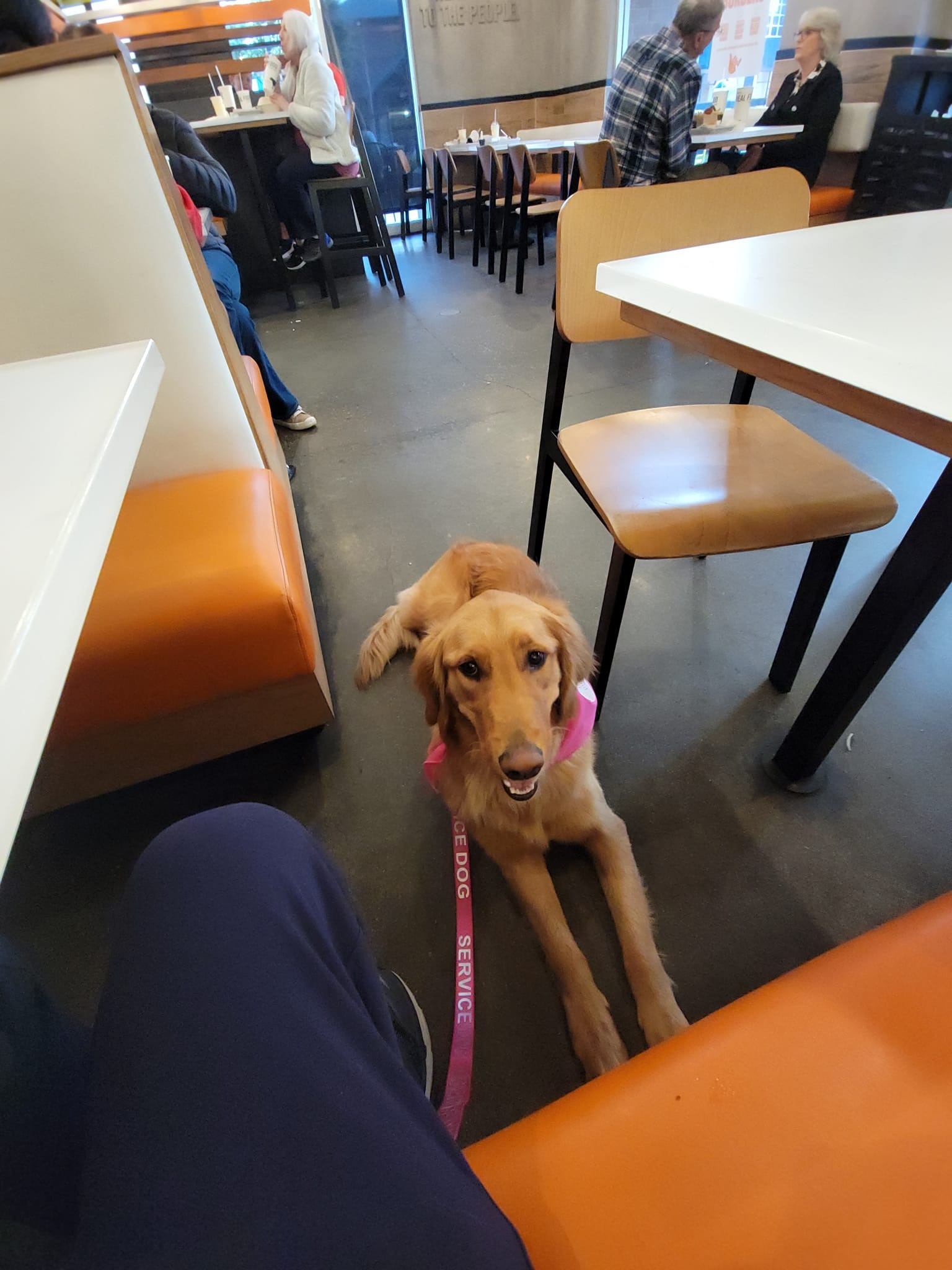
Service Dog School of America provides fully trained psychiatric and medical service dogs for individuals who need a finished, reliable working dog. We do not train customer-owned dogs, we do not run group classes, and we do not require owner participation in training. Every dog is trained by us from start to finish and placed only when the work is complete.
Our program focuses exclusively on psychiatric and medical service dogs. Training commonly includes support for PTSD, anxiety and panic disorders, autism, neurological conditions, emotional regulation, grounding tasks, interruption of harmful or compulsive behaviors, and deep-pressure therapy. We do not train diabetic alert dogs.
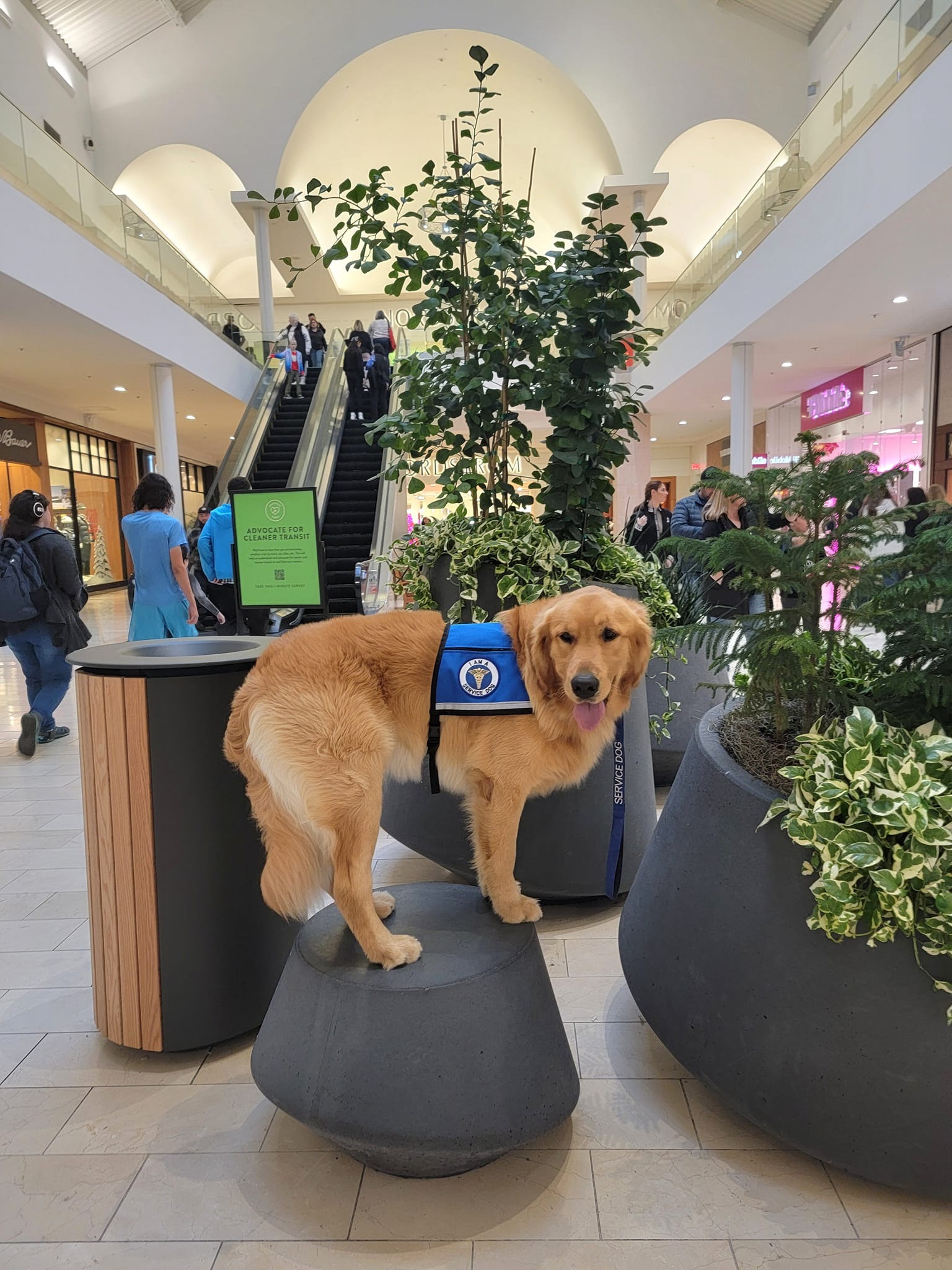
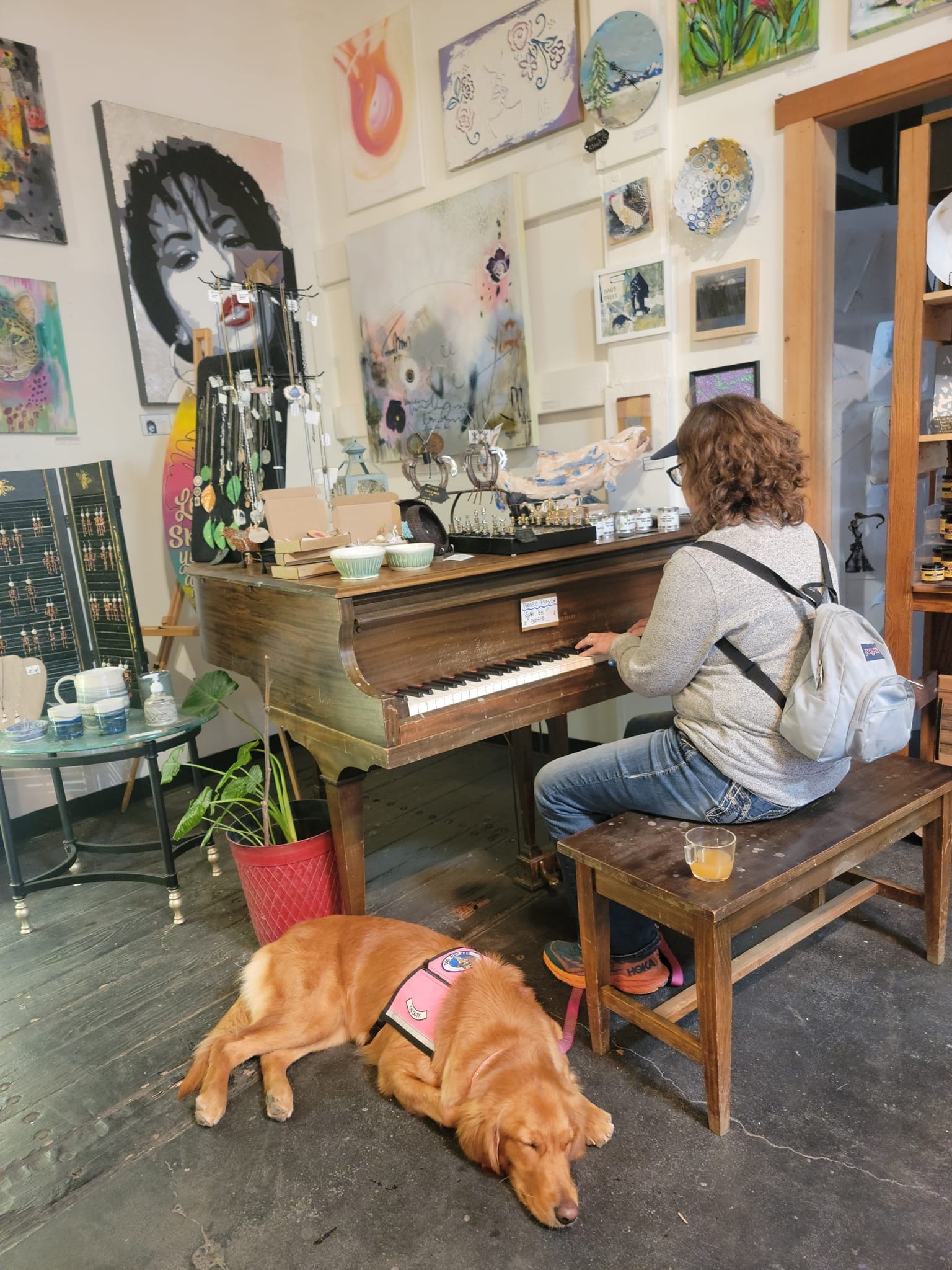
All training is conducted in real public environments rather than controlled classrooms alone. Dogs are conditioned to remain calm and responsive in crowds, during travel, and around everyday distractions. Obedience is taught to a standard that allows the dog to work reliably on or off leash, without pulling, reactivity, or dependence on physical restraint.
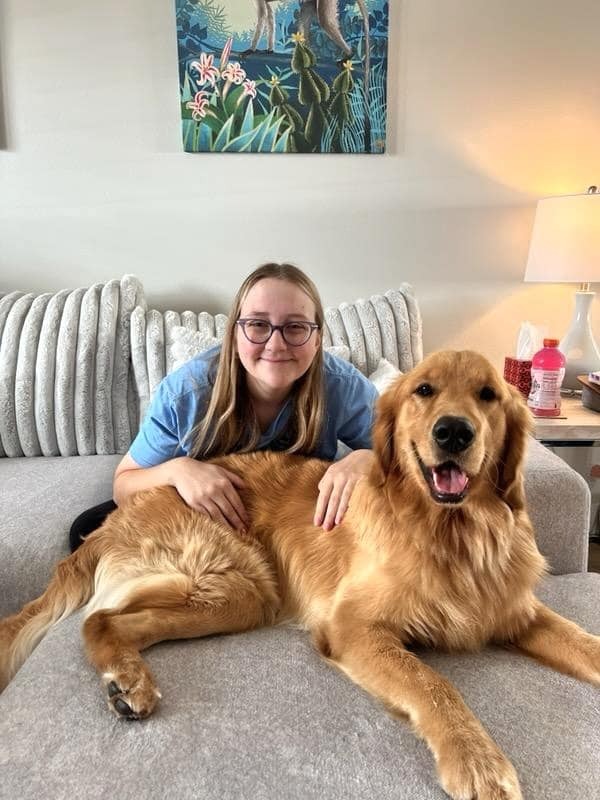
We train Golden Retrievers only. Dogs are selected for stable temperament, low reactivity, emotional resilience, and strong human focus. Breed selection is deliberate and central to producing service dogs that are dependable over the long term.
Unlike many programs that operate on multi-year waitlists, our dogs are trained continuously. When a dog is available, it is already fully trained and ready for placement. We do not promise future dogs or unfinished training.
Placement is not the end of the relationship. We provide lifetime access to professional support from the trainers who developed the dog. Support is direct and ongoing, not outsourced to call centers or third-party services.
Every placement is backed by a one hundred percent money-back satisfaction guarantee. If a dog is not the right fit, we address it directly.
This program is designed for individuals who need a completed service dog, do not qualify for charity programs, and value reliability, discretion, and time. What we provide is not a pet, a class, or a process. It is a fully-trained service dog developed over twelve to sixteen months and ready to work.
Where To Buy A Service Dog For Sale
How Service Dogs Support Autism
Service dogs for autism are trained to provide meaningful assistance in everyday situations. Their role goes far beyond companionship. These dogs are often taught to:
- Stay close to the child during medical visits, travel, or school activities
- Interrupt repetitive or harmful behaviors gently and safely
- Provide deep pressure stimulation by leaning or lying across the person’s lap to help reduce anxiety or sensory overload
- Stay tethered for safety to prevent a child from wandering or bolting
- Alert parents or caregivers to distress signals during the night
These dogs are also legally allowed in public places, making them an integral part of day-to-day routines outside the home.
The Role of Therapy & Companion Dogs
Choosing the right breed is important. Gentle, affectionate breeds are usually the best match.While not legally defined as service animals, therapy and companion dogs still offer significant benefits for individuals with autism. Therapy dogs are often used in hospitals or care settings, providing emotional support and comfort during stress-inducing events. They thrive on routine and structure, something many individuals with autism also value.
Companion dogs, though not trained for specific interventions, can help foster responsibility, social interaction, and exercise. Choosing the right breed is important—gentle, affectionate breeds are usually the best match. Unlike service dogs, these animals do not have public access rights but can offer powerful support at home and in private settings.
Let Us Help You Find the Right Dog
Every child is unique, and the right dog can make a world of difference. Our autism support dogs are specifically trained for off-leash obedience and emotional sensitivity, so they can walk beside your child, not just physically but emotionally too. We’ll help you choose a dog that fits your family, your lifestyle, and your child’s individual needs.