Where To Get A Service Dog For A Traumatic Brain Injury?

Where To Get A Service Dog For A Traumatic Brain Injury?

Traumatic brain injuries (TBI) can drastically alter a person’s life. They often lead to physical, emotional, and cognitive challenges. For many, these changes can feel overwhelming.

A service dog can be a beacon of hope. These specially trained animals offer support and companionship. They help manage daily tasks and provide emotional stability.

Finding the right service dog is crucial. It requires understanding your specific needs and finding a trusted source. The Service Dog School of America is a leader in this field.

David Baron, a renowned expert, has dedicated years to training service dogs. His expertise ensures that each dog is tailored to the client’s needs. This personalized approach is vital for success.

Service dogs can assist with anxiety, depression, and PTSD. They offer a sense of security and help regain independence. This support can transform lives.

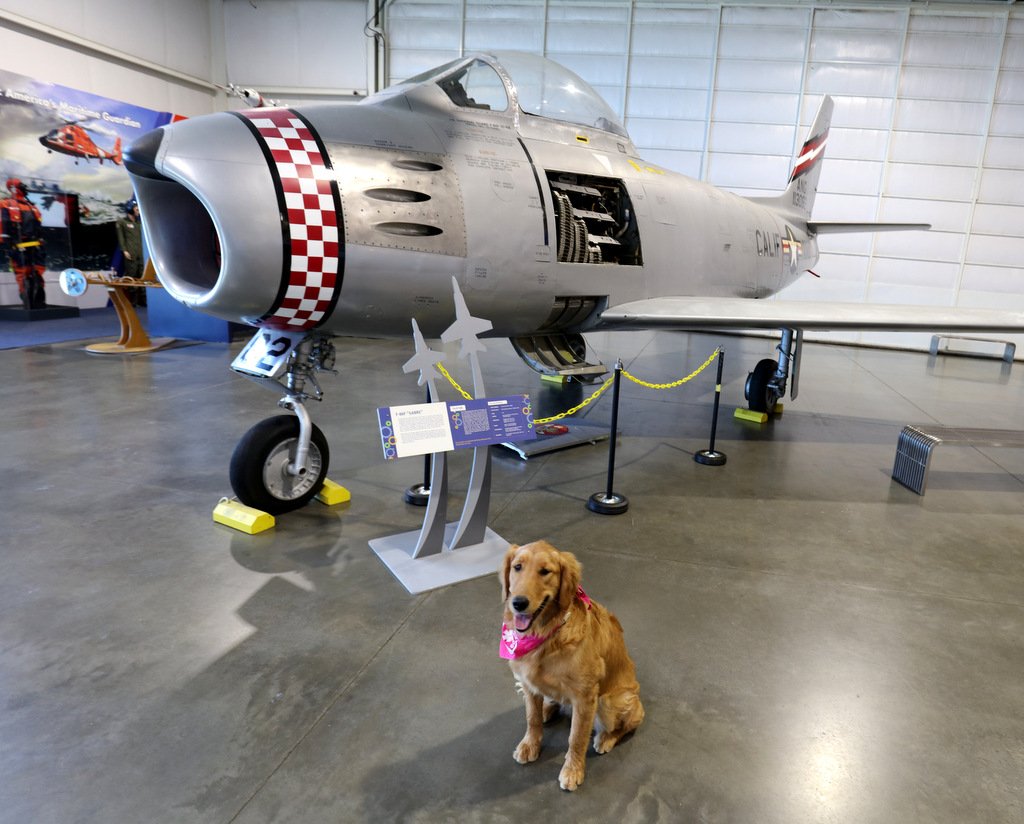
Golden Retrievers are a popular choice for service dogs. Their intelligence and temperament make them ideal companions. They are known for their loyalty and trainability.

Investing in a well-trained service dog is a commitment. It requires time, care, and ongoing training. But the benefits are immeasurable.

This guide will explore how to acquire a service dog for TBI. It will provide insights into the training process and benefits. Let’s embark on this journey together.

Understanding Traumatic Brain Injury and Its Challenges

Traumatic brain injury (TBI) occurs when a sudden trauma damages the brain. This can result from falls, accidents, or blows to the head. The effects on the individual can be long-lasting and severe.

Common symptoms of TBI include headaches, memory loss, and difficulty concentrating. Emotional changes, such as irritability or depression, are also prevalent. These symptoms can affect daily life and relationships.

Living with TBI presents unique challenges. Individuals may struggle with tasks they once found easy. This can lead to frustration and a sense of helplessness.

The path to recovery can be complex and slow. It often involves a combination of medical treatments and therapies. Each person’s recovery journey is unique and requires tailored support.

A service dog can play a vital role in this recovery process. They provide physical assistance and emotional comfort. This partnership can help reduce feelings of isolation and anxiety.

Key challenges faced by individuals with TBI often include:

  • Cognitive impairment
  • Emotional instability
  • Physical limitations
  • Social isolation

Understanding Traumatic Brain Injury

Addressing these challenges requires a comprehensive approach. Support from family, healthcare professionals, and service dogs can enhance quality of life. With the right resources, individuals with TBI can find new paths to stability and peace.

Understanding TBI and its effects is the first step toward effective management. For those affected, knowledge and support can lead to a brighter future. This understanding opens the door to meaningful solutions and improved well-being.

How Service Dogs Help People With TBI

Service dogs offer essential support to individuals with traumatic brain injuries. They are specially trained to meet the unique needs of TBI patients. Their assistance extends beyond physical tasks to emotional support.

For people with TBI, service dogs can perform various functions. These dogs help with mobility, guiding individuals safely through obstacles. They can also retrieve items, provide stability, and assist with balance.

Emotionally, these dogs offer companionship and reduce feelings of loneliness. Their presence can significantly decrease anxiety and depression. For someone who might feel isolated, this companionship can be life-changing.

Service dogs can recognize signs of distress or panic in their handlers. They are trained to interrupt these episodes and provide comfort. This support can prevent situations from escalating.

Additionally, service dogs help improve their handlers’ independence. By assisting with daily tasks, they enable individuals to engage more freely in activities. This empowerment boosts self-esteem and confidence.

Key benefits of service dogs for individuals with TBI include:

  • Mobility assistance
  • Emotional support and anxiety reduction
  • Panic attack interruption
  • Enhanced independence and confidence

Service Dog Assisting a Person with TBI

The bond between service dogs and their handlers is profound. This relationship is built on trust, care, and mutual support. Such bonds help facilitate social interactions, reducing the social isolation many TBI patients face.

Overall, service dogs bring joy and purpose to their handlers’ lives. They motivate individuals to participate in social activities and embrace new experiences. With a service dog, those with TBI can redefine their capabilities and outlook on life.

Types of Service Dogs for TBI: Medical and Psychiatric Support

Service dogs for traumatic brain injuries (TBI) fall into two main categories: medical and psychiatric. Each type serves distinct but complementary roles in supporting their handlers. Understanding the specific functions of these dogs can aid in selecting the right support.

Medical service dogs are trained to assist with physical challenges resulting from TBI. They help with balance and mobility, ensuring their handler’s safety. These dogs can also perform tasks like opening doors or retrieving objects.

Psychiatric service dogs address emotional and mental health needs. They provide relief from anxiety and help manage symptoms of depression. Their role includes grounding their handler during panic attacks and offering comfort during stressful moments.

The choice between a medical or psychiatric service dog depends on individual needs. Some individuals with TBI may benefit from a combination of both. This hybrid approach ensures comprehensive support for both body and mind.

Service dogs for TBI can:

  • Assist with mobility and balance
  • Retrieve items and perform physical tasks
  • Offer emotional support and comfort
  • Ground handlers during panic attacks

Various Types of Service Dogs

A thorough assessment of a patient’s needs is crucial. This evaluation helps in deciding whether a medical, psychiatric, or combined approach is best. Tailoring the support to the individual’s unique condition ensures maximum benefit.

Ultimately, both types of service dogs foster greater independence. They empower their handlers to navigate daily challenges with confidence. The presence of a service dog can substantially enhance the quality of life for those living with TBI.

The Life-Changing Benefits of a TBI Service Dog

The impact of a service dog on individuals with traumatic brain injuries (TBI) is profound. These loyal companions bring numerous benefits that extend beyond basic assistance. Their presence often marks the beginning of a transformative journey for their handler.

Service dogs provide essential physical support, allowing individuals to navigate their environment safely. This support helps reduce the risk of falls and injuries, promoting confidence in daily activities.

For many with TBI, emotional challenges are significant. Service dogs offer unwavering companionship, reducing feelings of loneliness and isolation. Their presence alone often provides a strong sense of comfort and security.

Engagement with a service dog encourages greater social interaction. These interactions enhance communication skills and can rebuild lost connections. This renewed social engagement positively impacts mental health and well-being.

Service dogs also perform specific tasks tailored to their handler’s needs. From reminding of medication schedules to alerting to medical emergencies, these tasks are crucial for day-to-day living. They help maintain independence in the face of adversity.

The presence of a service dog can improve overall productivity. Handlers often find motivation in the dog’s support, leading to increased participation in work and social activities.

Key benefits of a TBI service dog include:

  • Enhanced mobility and safety
  • Improved emotional well-being
  • Increased social interactions
  • Task assistance for daily living
  • Higher levels of independence

Life-Changing Bond Between a Handler and a Service Dog

Overall, the integration of a service dog into the life of a person with TBI promotes a sense of purpose. The bond formed with the dog is often life-affirming. It can truly change the trajectory of one’s recovery and reintegration into everyday life.

Why Choose Service Dog School of America?

Choosing the right source for acquiring a service dog is crucial. Service Dog School of America stands out for its comprehensive training and commitment to quality. Their focus is on providing dogs that meet the diverse needs of individuals with traumatic brain injuries.

At the heart of their success is personalized training. Each dog undergoes rigorous preparation tailored to the handler’s specific requirements. This ensures the dog performs tasks essential to the individual’s daily life and medical needs.

Service Dog School of America’s reputation is built on trust and reliability. They boast a strong track record in delivering well-trained medical and psychiatric service dogs. Clients frequently commend their attention to detail and the seamless integration of dogs into the lives of their handlers.

Here are reasons to consider Service Dog School of America:

  • Personalized training programs
  • High success rate in service dog placements
  • Strong focus on client-dog compatibility
  • Experienced trainers committed to excellence

Service Dog Training at Service Dog School of America

Beyond training, their support extends to the family’s involvement. Families often play a crucial role in the adjustment process, and the school provides resources to help them understand this new dynamic.

Choosing Service Dog School of America means committing to a high standard of service and care. Their dedication ensures you get a service dog not just trained to assist but also to enrich and transform lives.

This decision marks a significant step towards regaining independence and improving quality of life for those affected by traumatic brain injury.

Meet David Baron: Leading Expert in Service Dog Training

David Baron has dedicated nearly three decades to the art and science of dog training. His expertise, particularly in medical and psychiatric service dogs, is unparalleled. For the past nine years, he has been at the forefront of training dogs for individuals with traumatic brain injuries.

Under David’s guidance, the training process is meticulous and compassionate. He understands the unique challenges faced by those with TBI and creates training regimens tailored to these specific needs. His passion for dogs and people drives his commitment to excellence.

David Baron’s reputation is built on trust, knowledge, and a strong record of success. He has continuously pushed the boundaries of what is possible in service dog training, focusing on the well-being of both the dog and the handler. This holistic approach ensures long-lasting benefits and transformative impacts.

Clients frequently praise David’s approachability and willingness to educate. He believes that understanding the process and potential of service dogs can empower individuals and their families.

David Baron Training a Service Dog

Through his leadership at the Service Dog School of America, David Baron has set a standard in the industry. His work not only changes lives but also inspires a broader commitment to the potential of well-trained service dogs.

The Service Dog Training Process: What to Expect

Training a service dog requires dedication and patience. It’s not a quick endeavor but a gradual journey. Each step is vital to ensure the dog is well-prepared.

At the Service Dog School of America, the process starts with understanding the client’s needs. This personalized approach ensures that each dog is trained to assist with the specific challenges posed by traumatic brain injuries (TBI). These can range from physical support to alleviating anxiety.

Once the needs are established, the selection of a suitable dog takes place. This step considers temperament, intelligence, and the potential for bond with the client. Selecting the right dog is crucial for the success of the training process.

Training then moves into obedience and task-specific exercises. These are customized based on client needs, ensuring the dog can perform necessary tasks effectively. Obedience training lays the foundation for more complex activities.

Public access training is also critical. This stage ensures the dog remains calm and helpful in various environments, ready to support at any moment. It involves exposure to different settings, ensuring reliable behavior in public spaces.

Key stages in training include:

  • Needs assessment and selection process
  • Obedience training foundation
  • Task-specific training
  • Public access preparation

Service Dog in Training

Regular assessments are conducted to monitor progress and make adjustments as needed. This ensures continued advancement and the dog’s readiness for their partner. The ultimate goal is a seamless integration into the client’s life, enhancing their independence and confidence.

Effective training empowers both the dog and its handler, creating a balanced partnership. Mastery of skills leads to improved quality of life. The Service Dog School of America stands out for its commitment to this profound impact on individuals with TBI.

Golden Retriever Service Dogs: The Ideal Choice for TBI

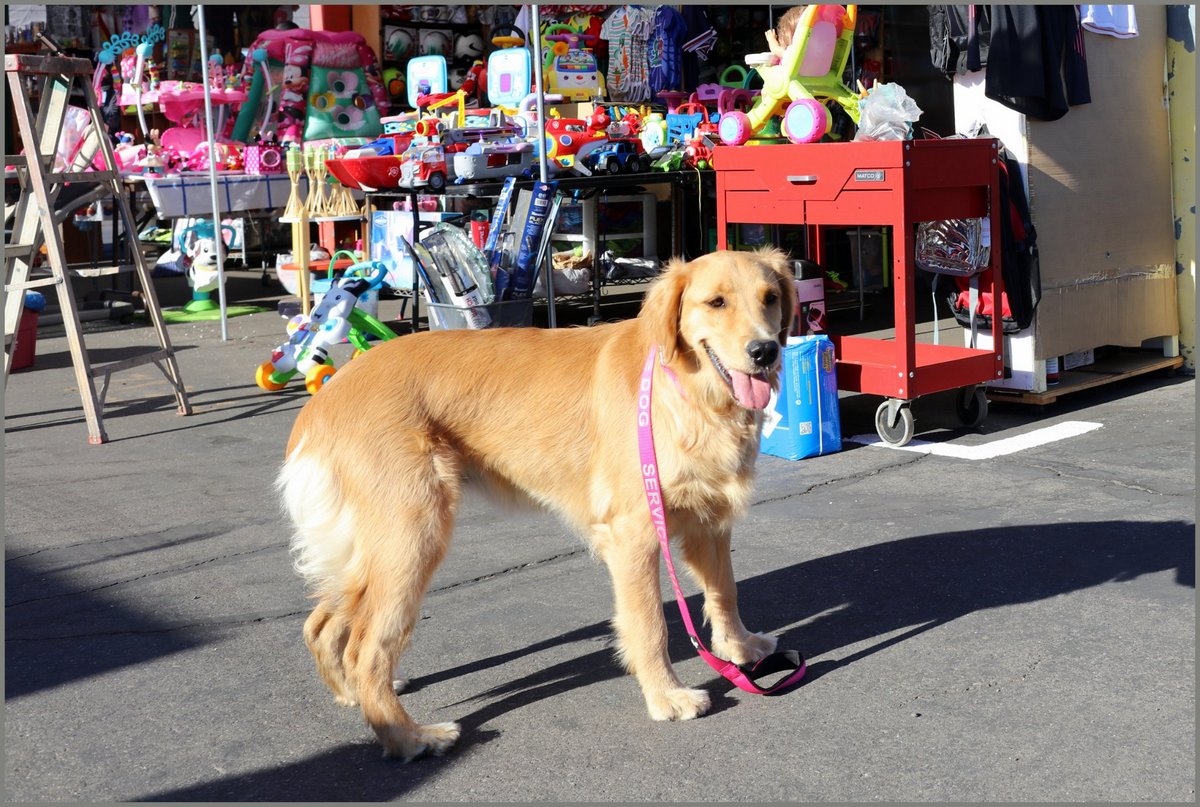
Golden Retrievers are often chosen as service dogs, especially for individuals with traumatic brain injuries (TBI). Their gentle demeanor is paired with high intelligence. This combination makes them excel in service roles.

These dogs are known for their loyalty and eagerness to learn. Their trainable nature makes the complex tasks involved in service work achievable. This breed’s calm disposition is perfect for assisting those with TBI, offering both physical and emotional support.

The size and strength of Golden Retrievers are also beneficial. They can provide physical assistance, such as retrieving items or offering stability during mobility challenges. This physical capability complements their emotional support.

Moreover, their friendly nature facilitates social interactions. This trait can help reduce feelings of isolation. Engaging with others becomes less daunting with a Golden Retriever by your side.

Key traits of Golden Retrievers include:

  • High intelligence and trainability
  • Gentle and calm demeanor
  • Strong and supportive physical presence

Golden Retriever Service Dog

The choice of a Golden Retriever service dog can enhance the quality of life for those with TBI. They not only perform necessary tasks but also offer unwavering companionship. The decision to partner with a Golden Retriever is a step toward greater independence and peace of mind.

How to Adopt or Acquire a Service Dog for TBI

Adopting or acquiring a service dog for traumatic brain injury requires careful planning. The process starts with identifying your specific needs. Understanding what assistance you require is key to finding the right match.

It’s crucial to work with reputable organizations or trainers. These experts ensure that the service dog is well-trained and suitable for your needs. The Service Dog School of America is a trusted option for many.

Selecting the right breed or specific dog involves several considerations. Temperament, size, and trainability play significant roles. Golden Retrievers are often a preferred choice due to their calm nature and intelligence.

The training process involves task-specific exercises tailored to your needs. This includes learning commands that assist with daily challenges. Proper training ensures the dog can perform tasks reliably and safely.

Financial considerations are also important. While costs can vary, investing in a well-trained service dog is worthwhile. It’s an investment in quality of life and independence.

Building a strong bond with the service dog is essential. Time and effort in this area enhance the effectiveness of the partnership. A strong bond aids in understanding between dog and handler.

Remember to consider:

  • Your specific assistance needs
  • Reliable training sources like the Service Dog School of America
  • The costs involved and potential financing options

Person walking with a Service Dog

Approaching the adoption or acquisition of a service dog with thorough preparation ensures a rewarding outcome. A service dog enhances independence and provides invaluable support for those with TBI. With the right guidance, acquiring a service dog can be a life-changing decision.

The Cost and Value of a Well-Trained Service Dog

Investing in a well-trained service dog can be substantial. However, the value they provide often outweighs the cost. The initial price reflects the intense training and care required.

Service dogs can range from several thousand to tens of thousands of dollars. This figure may include training, veterinary care, and other essentials. For many, the peace of mind and support are priceless.

Service dogs offer numerous benefits beyond financial calculations. They provide emotional comfort, assisting with anxiety, depression, and chronic pain. These dogs help create a more independent lifestyle for their handlers.

Financial assistance or grants may be available to help cover costs. Researching such options can make acquiring a service dog more accessible. The goal is to ensure the benefit is within reach for those in need.

Consider the following when evaluating cost:

  • Training specifics and duration
  • Additional care and maintenance expenses
  • Potential financial aid or grants

Service Dog in training with its handler

Ultimately, the decision to acquire a service dog should focus on the enhanced quality of life. Despite the upfront investment, their companionship and support offer invaluable long-term benefits.

Supporting Loved Ones and the Family Through Service Dogs

Service dogs can profoundly impact not only their handlers but also the surrounding family. A service dog offers stability to the entire household. This stability can encourage family members to feel more at ease.

The presence of a service dog helps ease the emotional burdens. Families see firsthand the positive changes in their loved ones. Observing improvements in mood and behavior helps everyone feel more connected.

Service dogs can also strengthen family bonds. They encourage collaborative involvement in care and training. This shared experience fosters a sense of unity and purpose.

Families may notice reduced tension when a service dog is around. The dog provides a consistent, calming influence. This presence can lessen stress during daily routines.

Consider these family benefits:

  • Reduced emotional strain
  • Increased social interactions
  • Strengthened family relationships

Family interacting with a service dogby Bianca Maria (https://unsplash.com/@glasfarben)

In summary, service dogs do more than assist individuals. They play a crucial role in enhancing family dynamics. Their contribution to family well-being is both significant and meaningful.

Frequently Asked Questions About TBI Service Dogs

Understanding TBI service dogs involves addressing common questions. Many seek clarity before considering this impactful option. Here, we tackle frequent inquiries to guide your decision.

One question often asked is about the specific tasks these dogs perform. TBI service dogs assist with mobility, alert to anxiety triggers, and offer constant companionship. Their tasks cater to the individual’s unique needs.

Potential handlers frequently wonder about training length. On average, training a service dog takes several months. This period varies based on the dog’s development and specific tasks required.

Cost is another common concern. Well-trained service dogs can be expensive due to intensive training and care. However, the value they provide often outweighs initial costs.

Here are some quick answers to frequent questions:

  • What tasks do TBI service dogs perform? They assist with mobility, anxiety, and daily tasks.
  • How long is the training process? It varies, generally lasting several months.
  • Are service dogs expensive? Yes, but their benefits justify the investment.

Addressing these questions can provide peace of mind. Moving forward with informed confidence is crucial for successful partnerships.

Taking the Next Step: Contacting Service Dog School of America

Ready to enhance your life with a service dog? Start by reaching out to the Service Dog School of America. Their team is ready to assist you on this life-changing journey.

When you contact them, you will discuss your specific needs. A personalized approach ensures the right fit for each individual’s circumstances. Their expertise guarantees a thorough understanding of TBI challenges.

The initial consultation is an opportunity to ask any lingering questions. Open communication helps set realistic goals for your service dog relationship. It’s a critical step in forming a lasting partnership.

Take the leap and experience unmatched support. By choosing the Service Dog School of America, you connect with leaders in the field. Trust in their proven track record for successfully trained service dogs.

Service dog in training with trainer at Service Dog School of America

Related Posts

Does Owning A Service Dog Increase Life Expectency?

Does Owning A Service Dog Increase Life Expectency? Service dogs are more than just companions. They are lifelines for many people. These dogs provide essential support and assistance. The benefits of owning a service dog are profound. They can improve both mental and...

read more

Do Service Dogs Die And Go Straight To Heaven?

Do Service Dogs Die And Go Straight To Heaven? Service dogs are more than just animals; they are lifelines. They provide essential support and companionship. Their roles are diverse, from guiding the visually impaired to alerting medical conditions. The bond between a...

read more

What If I Outlive My Service Dog?

What If I Outlive My Service Dog? Service dogs are more than companions; they are lifelines. They provide essential support and independence. But what happens if you outlive your service dog? This is a question many service dog owners face. It's a reality that...

read more